




Term One Newsletter

From Little Things, Big Things Grow |
A Crucial Beginning in Primary Education
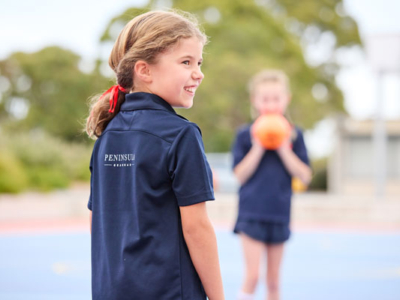
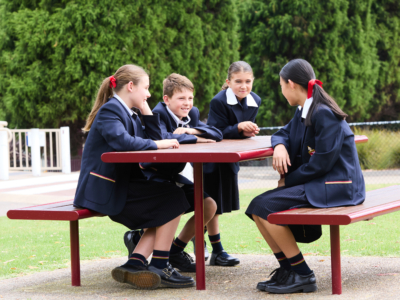
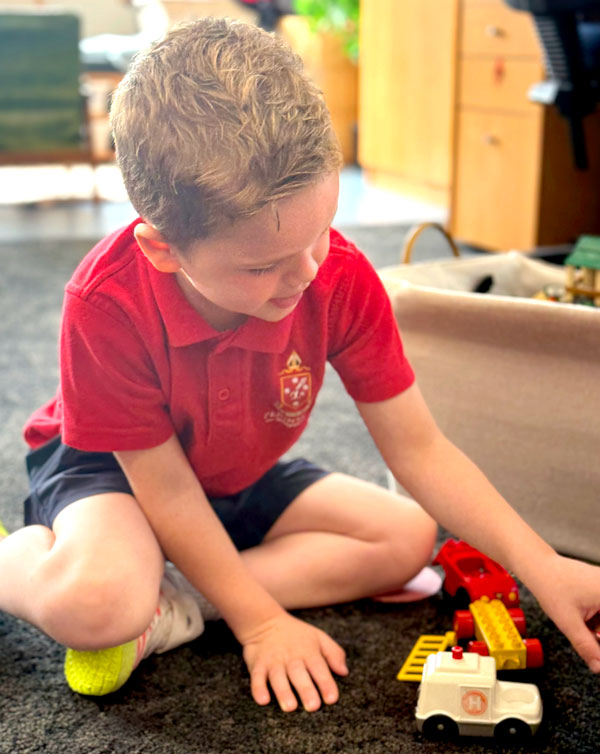
The Prep year is one of the most significant stages in a child’s educational journey, yet its impact is often underestimated. While it may appear that young children are simply learning through play, exploration, and routine, the cognitive, social, and emotional development taking place during this time is profound. Prep is where children form the habits, skills, and dispositions that will shape their learning well into the future.
Through Term 1, our Prep children have not only been developing foundational literacy and numeracy skills; they are learning how to think. Through carefully designed learning experiences, they are making connections, solving problems, expressing their ideas, and beginning to better understand the world around them. What may look like a simple activity is, in reality, underpinned by thoughtful planning, intentional teaching, and a deep understanding of child development.
A safe, structured, and nurturing environment is central to this success. When children feel secure, valued, and supported, they are more willing to take risks, ask questions, and engage fully in learning.
Predictable routines, clear expectations, and strong relationships foster confidence and independence, allowing young learners to participate meaningfully within the classroom community.
Equally important are the highly skilled teachers who guide children through this stage. Prep teachers bring significant professional expertise to their work—carefully observing, differentiating learning, and responding to each child with precision and care. Their practice blends academic rigour with evidence‑based curriculum and strong wellbeing support, tailored specifically to the developmental needs of young learners. Collaboration is integral, with teaching teams working together to reflect, adapt, and innovate.
This partnership extends beyond the classroom to include families. When teachers and parents work closely together, children benefit from consistency, encouragement, and shared purpose. Open communication and trust ensure each child is understood holistically and supported to thrive.
The Prep year is not simply the beginning of school – it is the foundation upon which all future learning is built. By recognising its importance and valuing the expertise that underpins it, we give our youngest learners the strongest possible start.
 Louise Nicholls-Easley
Head of Junior School
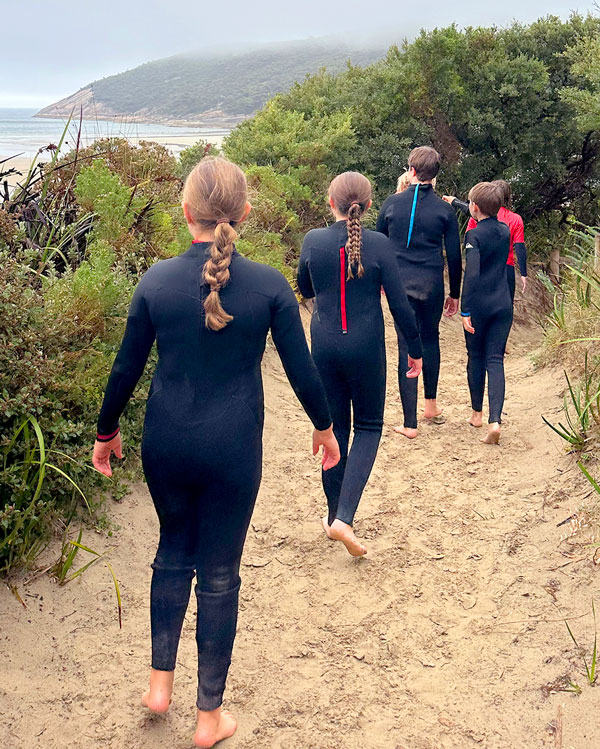
From Classroom to Coastline
Our Experiential Experience Program is a cornerstone of the Peninsula Grammar Middle School journey, offering students purposeful opportunities to develop real world skills beyond the classroom. Through a carefully sequenced program, our students progressively build confidence, resilience, teamwork, and independence as they engage in diverse and enriching environments.
In Year 5, students began their journey with a three-day camp at Phillip Island Adventure Resort, where they were introduced to outdoor learning through high and low ropes courses, coastal experiences, watercraft activities, flying foxes, giant swings, and team-building challenges. These early experiences encourage students to step outside their comfort zones, form new friendships, and develop trust and collaboration.
By Year 6, students participated in a more immersive five-day camp at Wilsons Promontory. Living in tents and navigating the natural environment supports the development of independence and adaptability. Highlights included the Mount Oberon hike and a sea journey to the lighthouse, seal colony, and Skull Rock — experiences that deepen problem-solving skills, teamwork, and appreciation for the natural world.
In Year 7, students travelled to Gippsland’s The Summit, where they engaged in more physically and mentally demanding activities such as hiking, camping, abseiling, and climbing. These challenges are intentionally designed to build resilience, cooperation, and perseverance, encouraging students to rely on one another and embrace challenge with confidence.
Year 8 students further extended these skills through an exploration of Victoria’s west coast, including Anglesea, Torquay, and Aireys Inlet. Cycling, surfing, hiking, and collaborative challenges refine leadership, communication, and teamwork, while promoting responsibility and mutual respect.
Across all year levels, students consistently demonstrate determination, collaboration, and a willingness to challenge themselves. These shared experiences strengthen relationships between peers and staff, fostering a strong sense of connection and belonging beyond the classroom.
In addition to local experiences, students also have access to global learning opportunities. Recently, 19 Year 8 students visited Peninsula International School Australia (PISA) in Malaysia, participating in cultural experiences across Kuala Lumpur and Malacca that broadened their global understanding.
At Peninsula Grammar, learning extends well beyond the classroom. Through carefully designed camps and outdoor experiences, students are given valuable opportunities to develop independence and confidence in authentic settings. These shared experiences strengthen relationships, build essential skills, and support student wellbeing, ensuring young people are well equipped to navigate both their school journey and the world beyond.
 Mark Harrop
Head of Middle School
Learning the Habits That Matter
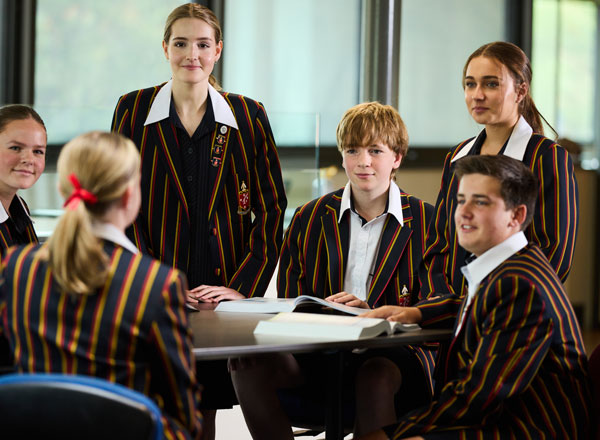
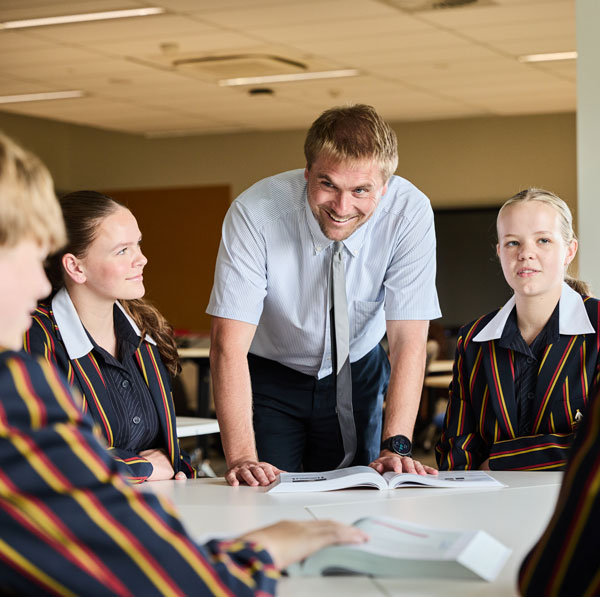
As Term 1 draws to a close, it offers an important opportunity for reflection and evaluation, particularly for our Senior students. This period has provided valuable space for them to consider their goals, pathways, and the habits that underpin successful senior study. A consistent message has emerged: strong organisation, effective time management, and collaboration are not optional skills but essential foundations for achievement.
With approximately 50 School Assessed Coursework (SAC) tasks completed across the term, students have gained firsthand insight into how disciplined planning and sustained effort lead to stronger outcomes. Many now recognise that success is rarely accidental; it is built through purposeful scheduling, proactive preparation, and a willingness to work alongside peers in a supportive and collegiate environment.
A significant and encouraging development has been the strengthening of student–teacher relationships. Senior students are increasingly viewing these relationships as genuine partnerships, actively seeking feedback, clarification, and advice during study periods, lunchtimes, and after school.
This shift reflects growing maturity and a clear understanding that teachers are valuable resources beyond the classroom.
The Zammit Centre After Hours Study Program continues to be a cornerstone of our academic support framework. Feedback from students and parents has been overwhelmingly positive, reinforcing its role in supporting the increasing demands of senior study. This year, the introduction of a more structured approach — including designated study areas by year level — has further enhanced focus, supported peer collaboration, and ensured environments are responsive to cohort needs.
Complementing this structure is the continuation of subject specific tutoring within the program. Our tutors, all high performing Peninsula Grammar alumni, bring recent and relevant experience of the Senior School curriculum. Their guidance is both relatable and current, while also strengthening our connection to past students and reinforcing the enduring bond between graduates and the school community.
The positive response to these initiatives affirms our commitment to providing comprehensive support that extends beyond traditional classroom learning. As we move into Term 2, the enthusiasm, self awareness, and collaborative mindset demonstrated this term provide a strong foundation for continued growth and success
Anne-Lise Haugen
Head of Senior School
Supporting Young People in Our Peninsula Community
At Peninsula Grammar, we recognise that the wellbeing of our students is strengthened through a strong partnership between school and home. As part of this commitment, we are hosting a range of programs and workshops for parents and guardians within our Peninsula Community, providing opportunities to learn, connect and share strategies for supporting young people as they grow.
Keeping Kids Safe: Preventing Sexual Harm and Violence
Peninsula Grammar is proud to host this Australian-first initiative designed to provide parents and guardians the opportunity to equip themselves with the tools to have open, respectful and age-appropriate conversations with their young people about consent, gender, sexuality and relationships.
Over the course of four evenings, you will build confidence as a parent in talking with your young person about relationships in a way that aligns with your family values, culture and faith. We encourage you to seize the opportunity to learn in a supportive environment where you can connect with other parents, ask questions, apply knowledge and reflect on your role in shaping a culture of consent.
This joint initiative between WHISE and La Trobe University is backed by research and created by a team of experts deeply dedicated to the prevention of sexual violence. The free program is targeted to parents of children in Years 5 to 9 and takes place over four consecutive weeks. To support you in applying your knowledge you will receive practical resources including a book, workbook and conversation starters.
We invite you to be part of something special and help build the evidence base for primary prevention of violence through your engagement with this program.
To find out more, watch this video.
To register for the program, click here:
https://whise.org.au/keeping-kids-safe/

Anne Stringer
Head of Wellbeing
Stories from the Archives | Where it all Began
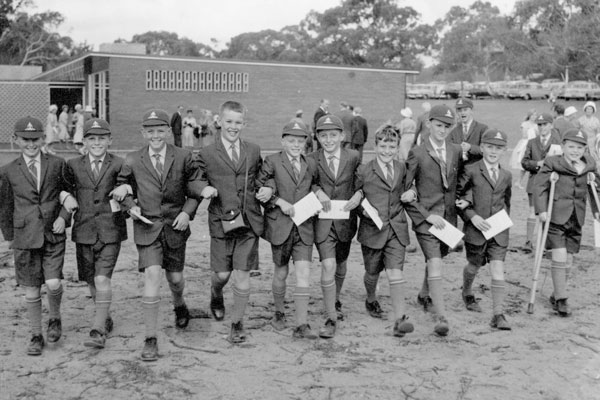
In the late 1950s, a small group of Mornington Peninsula residents began to imagine something new — a church associated, independent boys’ school for the growing Peninsula community. It was an ambitious idea. No new independent school had opened in Melbourne for more than 50 years, yet the region was changing rapidly, with young families arriving in large numbers and a shared belief that something enduring could be built close to home.
That early vision quickly gathered momentum. What began as conversations soon became countless meetings, driven by the dedication and optimism of men and women who believed deeply in the value of education. They held fast to what was good — community, faith, learning, and friendship — as the dream slowly took shape.
On 5 February 1961, the builders departed a single, newly completed building, and teaching staff moved in, carrying furniture and books in readiness for the next day.
Leading the founding team of eight was the school’s first Headmaster, the Reverend Dudley B. Clarke, whose leadership inspired commitment, effort, and belief in what was possible.
Two days later, on the morning of 7 February 1961, 88 students — from Prep through to Year 8 — arrived to begin the first day of school. The official opening, held on Saturday 25 February, was a remarkable occasion, with more than 2,000 people filling a vast army marquee erected especially for the celebration. The sense of shared purpose was unmistakable.
Through challenges and change, the Founders remained steadfast in their vision of providing a complete Primary and Secondary education for Peninsula students. The School flourished. By 1965, enrolments had grown to more than 400 students, including the first Year 12 cohort and the School’s inaugural Prefects.
In 1994, Peninsula Grammar took another significant step forward, welcoming girls and becoming a coeducational school.
On that very first day in 1961, the Headmaster described the community as pioneers — embarking on an adventure that was new, meaningful, and worthwhile. Sixty-five years on, that spirit endures. Holding fast to that which is good, and preparing for what lies ahead, the work continues — shaped by the past and alive in the present.

Becca Smith
Archivist
Spotlight on Alumni | Baden Croft ’14
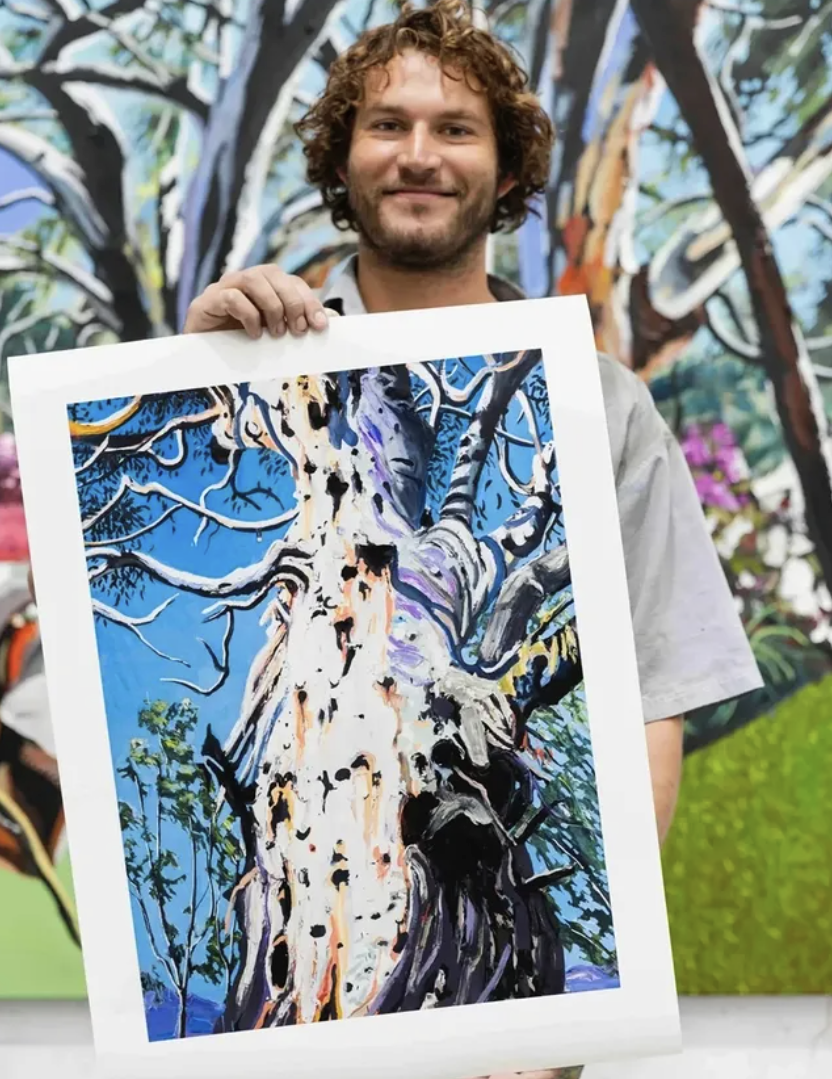
OPGA is proud to celebrate the creative journey of Baden Croft, Class of 2014, a Mornington Peninsula-based artist whose evocative paintings are gaining national and international attention.
Baden’s artistic promise was clear during his school years, culminating in his receipt of the Principal’s Acquisition Prize in Year 12. His early work already showed a deep emotional connection to nature – a theme that continues to shape his practice today.
Now an established painter, Baden is known for his large-scale oil works, rich in texture and movement. Inspired by his experiences surfing, spearfishing, and freediving, his art captures the rugged beauty of Australia’s coastlines and bushland.
Using palette knives and hand-cut stencils, he creates immersive scenes (such as kelp forests, bark textures, and windswept landscapes) each piece a tribute to the power and fragility of the natural world.
Baden’s paintings have been featured in exhibitions across Melbourne and Sydney, and are now held in private collections around the world.
The Old Peninsula Grammarians’ Association (OPGA) plays a vital role in strengthening the lifelong connection between past and present members of the Peninsula Grammar community. By celebrating the achievements of our alumni, OPGA not only honours individual journeys but also inspires current students by showing what is possible beyond the school gates.
Laura Vatousios
OPGA Alumni Liaison Officer